
Champions League New Format: A Tactical Review One Year On
An analysis of how the expanded Champions League format has impacted tactical setups and player workload.
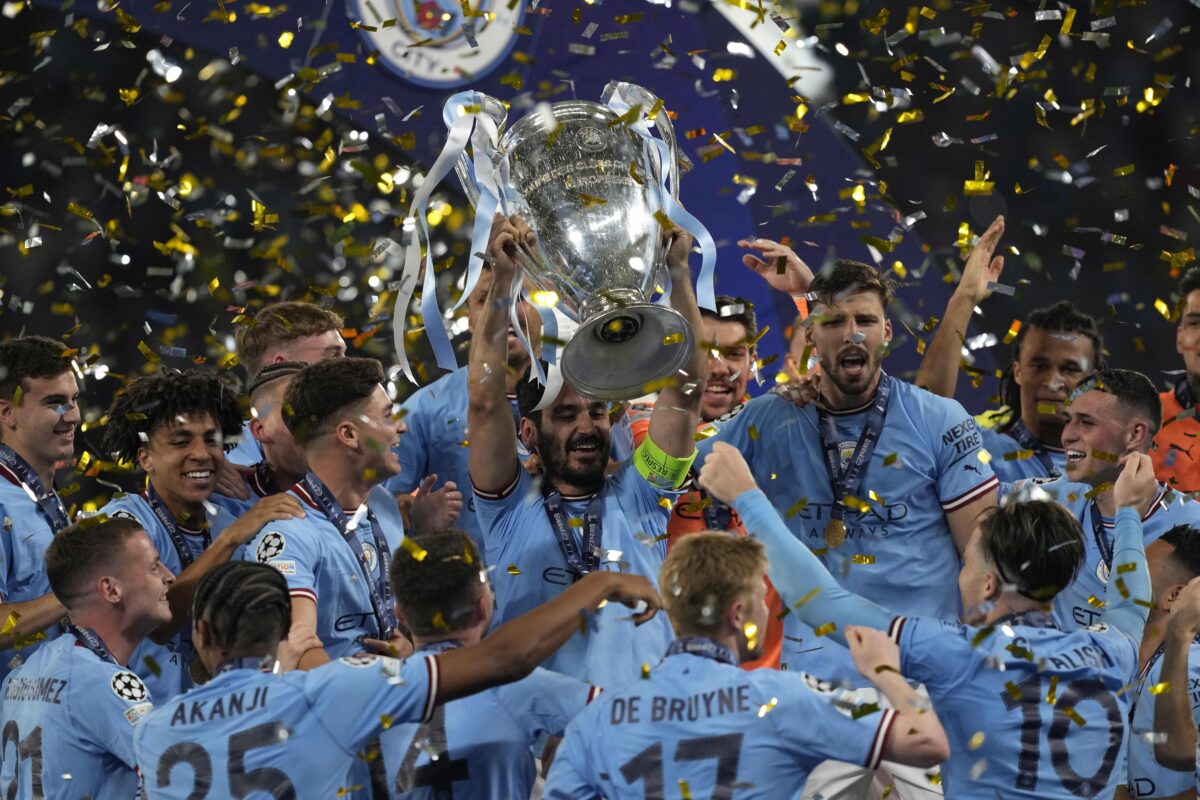
Key Takeaways
- The Champions League league-phase format requires teams to maintain higher goal differences.
- Tactical trends show managers taking more offensive risks earlier in games.
- Squad rotation has become the primary factor for clubs competing on multiple fronts.
UEFA's expanded single-league phase has completed its first full cycle. The new format has succeeded in generating more matches between top-tier clubs early in the tournament, though player fatigue concerns remain high.
Tactically, the requirement to chase goals for goal-difference points has led to more open, attacking games in the final matchdays.
Frequently Asked Questions
What are the tactical implications of this update?
It highlights key adjustments in spacing, defensive block organization, or final third creativity depending on the manager's strategies.
How does this impact the club's season objectives?
Maintaining consistency and preventing injuries during high-intensity periods will be the determining factor.
- Champions League
- UEFA
- Format Analysis

Elena Rossi
European Football Correspondent
Based in Milan, Elena reports on Serie A and Champions League tacticians, youth developments, and Italian tactical boardrooms.
Comments (0)
No comments yet. Be the first to comment!