
The Death of the Traditional Winger: Why Inverted Inside Forwards Rule
A tactical study of how inside forwards have replaced traditional wingers in modern football systems.
Key Takeaways
- Tactical analysis shows modern managers favoring inverted inside forwards over traditional wingers.
- Inverted wingers create half-space underlaps, creating room for overlapping full-backs.
- This tactical shift maximizes shooting opportunities from central areas.
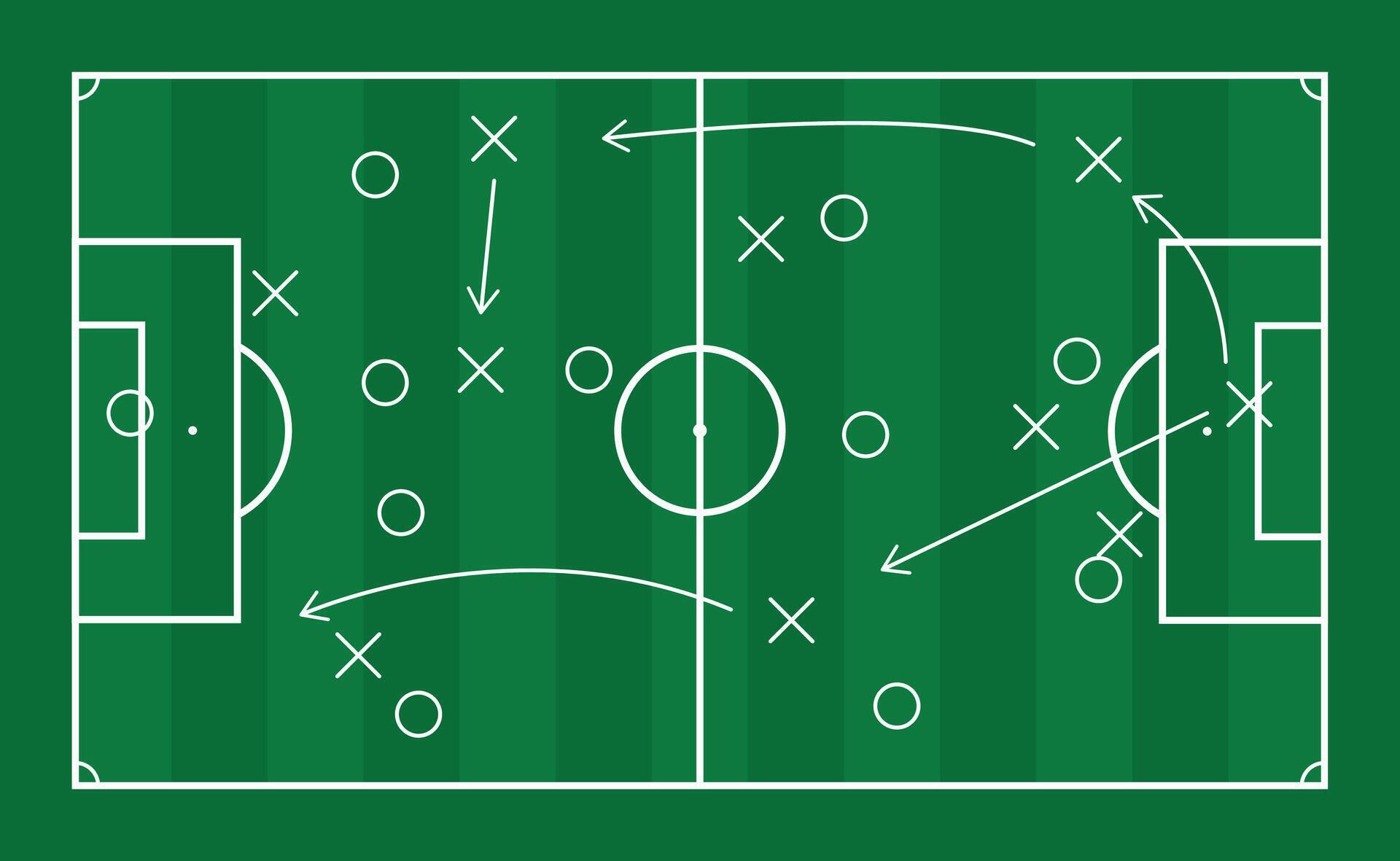
The days of the touchline-hugging winger crossing to a target man are largely gone in elite football. Modern managers favor inverted inside forwards who occupy the half-spaces and run diagonally behind defensive lines.
This shift allows fullbacks to overlap or invert, creating complex overload challenges for modern zonal defenses.
Frequently Asked Questions
What are the tactical implications of this update?
It highlights key adjustments in spacing, defensive block organization, or final third creativity depending on the manager's strategies.
How does this impact the club's season objectives?
Maintaining consistency and preventing injuries during high-intensity periods will be the determining factor.
- Tactics
- Winger
- Inside Forward

Elena Rossi
European Football Correspondent
Based in Milan, Elena reports on Serie A and Champions League tacticians, youth developments, and Italian tactical boardrooms.
Comments (0)
No comments yet. Be the first to comment!